

Introduction
If you’re suffering from psoriasis-related itching, you know just how unbearable it can be. That constant urge to scratch can disrupt your sleep, affect your concentration, and even worsen your symptoms.
The good news is—there are simple and effective ways to quickly relieve psoriasis itching, many of which you can do at home on your own.
Now I’ll share 7 proven methods that provide fast relief, help prevent further irritation, and quickly alleviate psoriasis itching.Let me tell you how to treat psoriasis at home using natural remedies
Why Is Psoriasis So Itchy?
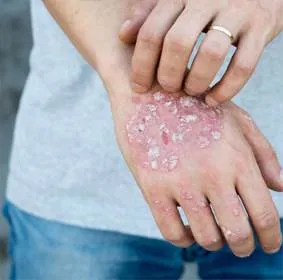
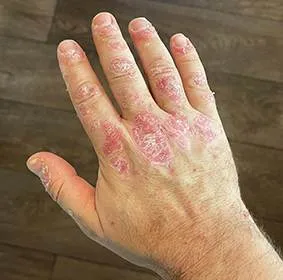
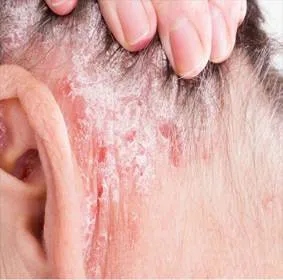
concentration, and even worsen your symptoms.
The good news is—there are simple and effective ways to quickly relieve psoriasis itching, many of which you can do at home on your own.
Now I’ll share 7 proven methods that provide fast relief, help prevent further irritation, and quickly alleviate psoriasis itching.
Why Is Psoriasis So Itchy?
Psoriasis itching is caused by skin inflammation, dryness, flaking, and nerve irritation.
When you scratch, you actually damage the skin further and trigger more flare-ups, thereby exacerbating the vicious cycle of itching.In addition, diet is also very important for psoriasis.
1. Cold Compress (Fastest Relief)
A cold compress can quickly numb the affected area and reduce itching.
How to do it: Wrap ice cubes or a cold compress in a towel and apply for 5–10 minutes. Repeat as needed.
This is one of the fastest ways to get immediate relief from itching.
2. Moisturize immediately after bathing. Keeping your skin hydrated is crucial.
Best practice: Apply moisturizer within 3 minutes of bathing. Use a thick, fragrance-free cream.
This helps lock in moisture and reduce itching caused by dryness.
3. Use soothing natural ingredients

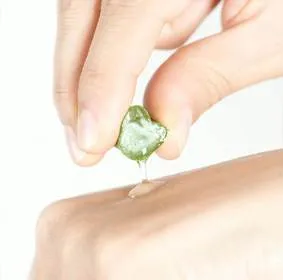

Effective natural remedies: Aloe vera → cools and soothes the skin; oatmeal bath → reduces irritation; coconut oil → deeply moisturizes; witch hazel → relieves itching,Best Psoriasis Creams
These ingredients are gentle and safe.
4. Keep shower water lukewarm and showers short; hot water can worsen itching.
Recommendation: Limit warm showers to 10–15 minutes and avoid harsh soaps.
This helps prevent further skin dryness and irritation.
5. Avoid scratching (even though it’s hard to resist).
While scratching may temporarily relieve discomfort, it can lead to: skin damage, increased inflammation, and even
worsen subsequent itching
Tip: Keep your nails short, or gently press the affected area with your fingertips instead.
6. Wear soft, breathable clothing
The impact of clothing on your skin may be greater than you realize.
Choose: Cotton fabrics (natural fabrics reduce skin irritation and minimize itching) and loose-fitting clothing.
Avoid: Wool and tight or rough fabrics.
These measures can reduce friction and irritation, helping to relieve psoriasis-related itching.
7. Use a mild anti-itch cream to speed up relief
While natural remedies are helpful, combining them with a soothing anti-itch cream can significantly speed up relief.
A high-quality psoriasis ointment can: reduce inflammation, quickly relieve itching, and protect the skin barrier.
In many cases, combining moisturization with topical relief is the best approach for achieving rapid results.
Frequently Asked Questions
How can I stop psoriasis itching immediately?
The fastest methods include: cold compresses, moisturizers, and anti-itch ointments.
Why does psoriasis itching worsen at night?
At night: Increased moisture loss from the skin, reduced external distractions, and heightened sensitivity to itching.
Keeping your skin moisturized before bed can help alleviate symptoms.
Does scratching cause psoriasis to spread?
Scratching does not “spread” psoriasis like an infection, but it may trigger new outbreaks in nearby areas.
Conclusion
Itching caused by psoriasis can be extremely distressing, but with the right approach, symptoms can be quickly relieved and worsening of the condition prevented.
Start with simple steps such as moisturizing, cooling the skin, and avoiding triggers, and combine them with effective topical treatments for optimal results.
Consistency is key. Even small changes can make a significant difference.
