

Blog
tricompartmental osteoarthritis causes and treatment tricompartmental
Jan
Understanding Tricompartmental Osteoarthritis: Symptoms, Causes, Diagnosis, and Treatment
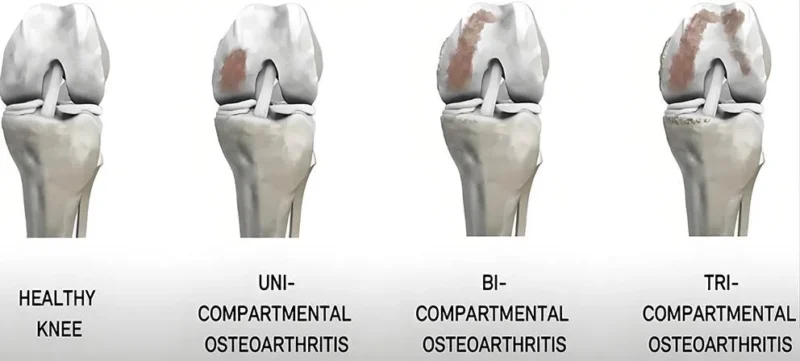
Tricompartmental osteoarthritis occurs when all three compartments of the knee joint are affected by the degenerative changes of arthritis. This condition leads to significant joint pain and stiffness due to the widespread nature of cartilage damage. In this post, we will take a detailed look at tricompartmental osteoarthritis, including its symptoms, causes, diagnosis, and treatment options for this painful condition.
What is Tricompartmental Osteoarthritis?
Osteoarthritis (OA), also known as osteoarthrosis, is the most common joint condition affecting millions of people worldwide. According to the Arthritis Foundation, approximately 27 million people in the United States alone suffer from osteoarthritis. Knee osteoarthritis is particularly prevalent and is often referred to as anterior arthritis or degenerative arthritis because it occurs when the cartilage in the joint breaks down over time.
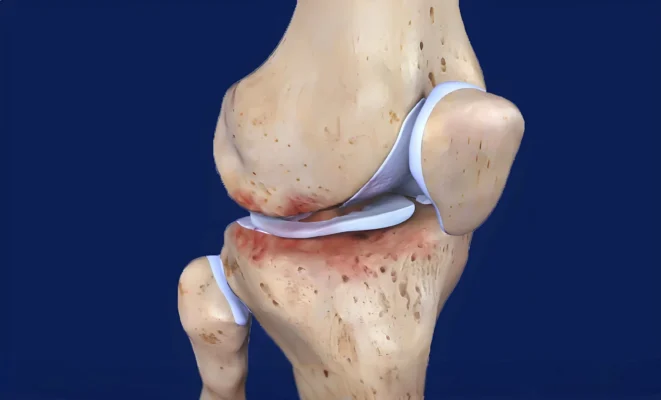
The knee joint is made up of three distinct compartments:
- Patellofemoral compartment: where the kneecap (patella) meets the femur.
- Medial femoral tibial compartment: the inner part of the knee where the femur and tibia meet.
- Lateral femoral tibial compartment: the outer part of the knee joint where the femur and tibia connect.
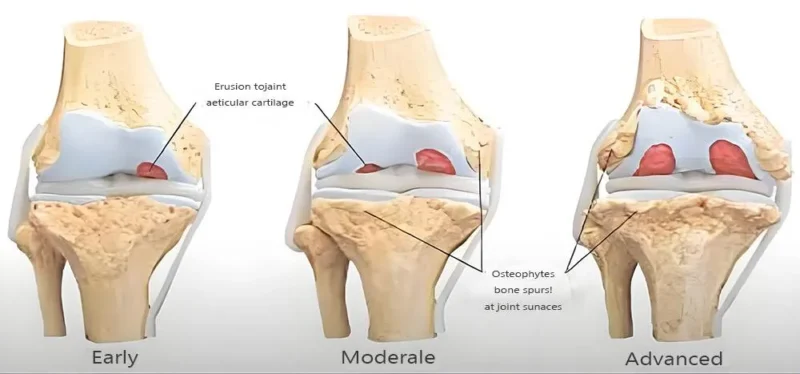
Tricompartmental osteoarthritis is diagnosed when all three of these compartments are affected by osteoarthritis. Unlike other forms of osteoarthritis that might only affect one or two compartments, tricompartmental osteoarthritis is considered more severe due to the widespread damage throughout the entire knee joint. The loss of cartilage, synovium (joint lining), and the increased formation of bone spurs can significantly impair knee function.
Symptoms of Tricompartmental Osteoarthritis
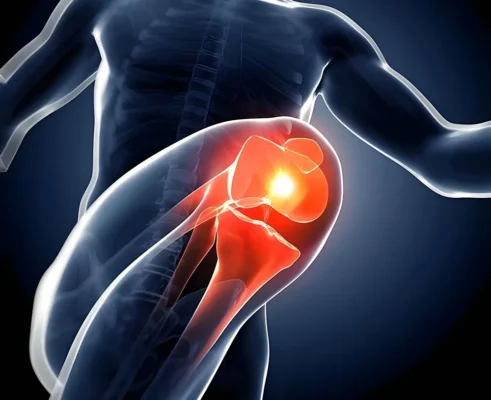
Tricompartmental osteoarthritis causes degenerative changes in the cartilage and synovium, which can lead to symptoms such as:
- Localized pain and inflammation: The breakdown of cartilage leads to direct bone-to-bone contact, causing pain, swelling, and stiffness in the knee.
- Joint effusion (water on the knee): Excess fluid builds up in the knee joint due to the inflammation.
- Chondrosis: The soft cartilage may break down or become rough, further contributing to joint dysfunction.
- Stiffness: Difficulty moving the knee, especially after long periods of inactivity or rest.
- Bone spurs (osteophytes): These can develop due to the continuous wear of cartilage and can be visible on X-ray images.
- Knee locking: Bone spurs can cause the knee to “lock” or become temporarily immobile.
- Weakness or buckling: Muscles around the knee may weaken, leading to a tendency for the knee to buckle under weight.
- Gait changes: Patients may develop a knock-kneed or bow-legged walking pattern.
- Increased pain after impact: High-impact activities, such as running, may exacerbate symptoms.
tricompartmental-osteoarthritis
Causes and Risk Factors for Tricompartmental Osteoarthritis
While tricompartmental osteoarthritis can develop as a result of natural wear and tear on the knee joint, several risk factors may increase the likelihood of developing this condition:
- Age: Osteoarthritis is more common in older individuals due to the prolonged wear on joint cartilage over time.
- Obesity: Carrying excess weight puts additional stress on the knee joints, especially the hips and knees, which are weight-bearing. Weight loss can significantly reduce symptoms and improve joint function.
- Genetics: Family history plays a role in the development of tricompartmental osteoarthritis. Those with close family members who have had OA are more likely to develop the condition themselves.
- Sex and Hormones: Women, especially those going through menopause, are more likely to develop osteoarthritis. Hormones, such as estrogen, may influence the onset of arthritis, though this is still under study.
- Repetitive Physical Activity: High-impact activities, such as running, jumping, or manual labor that involves heavy lifting, can increase the risk of joint degeneration over time.
- Previous Injuries: Past knee injuries or trauma to the knee or other parts of the leg (such as the foot or ankle) can lead to the development of tricompartmental osteoarthritis later in life.
- Abnormal Joint Structure: Pre-existing joint malalignment or congenital defects can place extra strain on the knee and contribute to the early onset of osteoarthritis.
三髁骨关节炎
三髁骨关节炎的诊断
为了诊断三髁骨关节炎,医疗保健提供者通常会进行体格检查并审查患者的病史。影像学检查,例如 X 射线或 MRI,用于确认软骨流失的程度和骨刺的存在。在某些情况下,可以进行关节液分析以排除其他类型的关节炎,例如类风湿性关节炎或痛风。
结论
三髁骨关节炎是一种严重且痛苦的膝关节炎,会影响关节的所有三个筋膜室。虽然这是一种常见病,尤其是在老年人中,但它会严重损害活动能力和生活质量。早期诊断和综合治疗是控制三髁骨关节炎症状和改善关节功能的关键。如果您怀疑自己患有骨关节炎,请咨询医疗保健提供者,讨论您的症状并探索治疗方案。
